In 2016, when I first focused my lens on London's pubs, I was standing on the other side of the bar in a venue in Notting Hill. The air of profound urban transformation was already palpable, while the country was waking up to the results of the Brexit referendum. In that same year, England and Wales saw 750 pubs close their doors. Eighty-one in London alone.
Today, this slow hemorrhage hasn't stopped. Data from Altus Group speaks of over 750 shutters permanently pulled down during 2023, more than two a day nationwide. But cold numbers do not tell the whole story: what is disappearing is not a generic commercial business, but the independent pub. That soul of wood and worn-out carpet that has defined the city's identity.
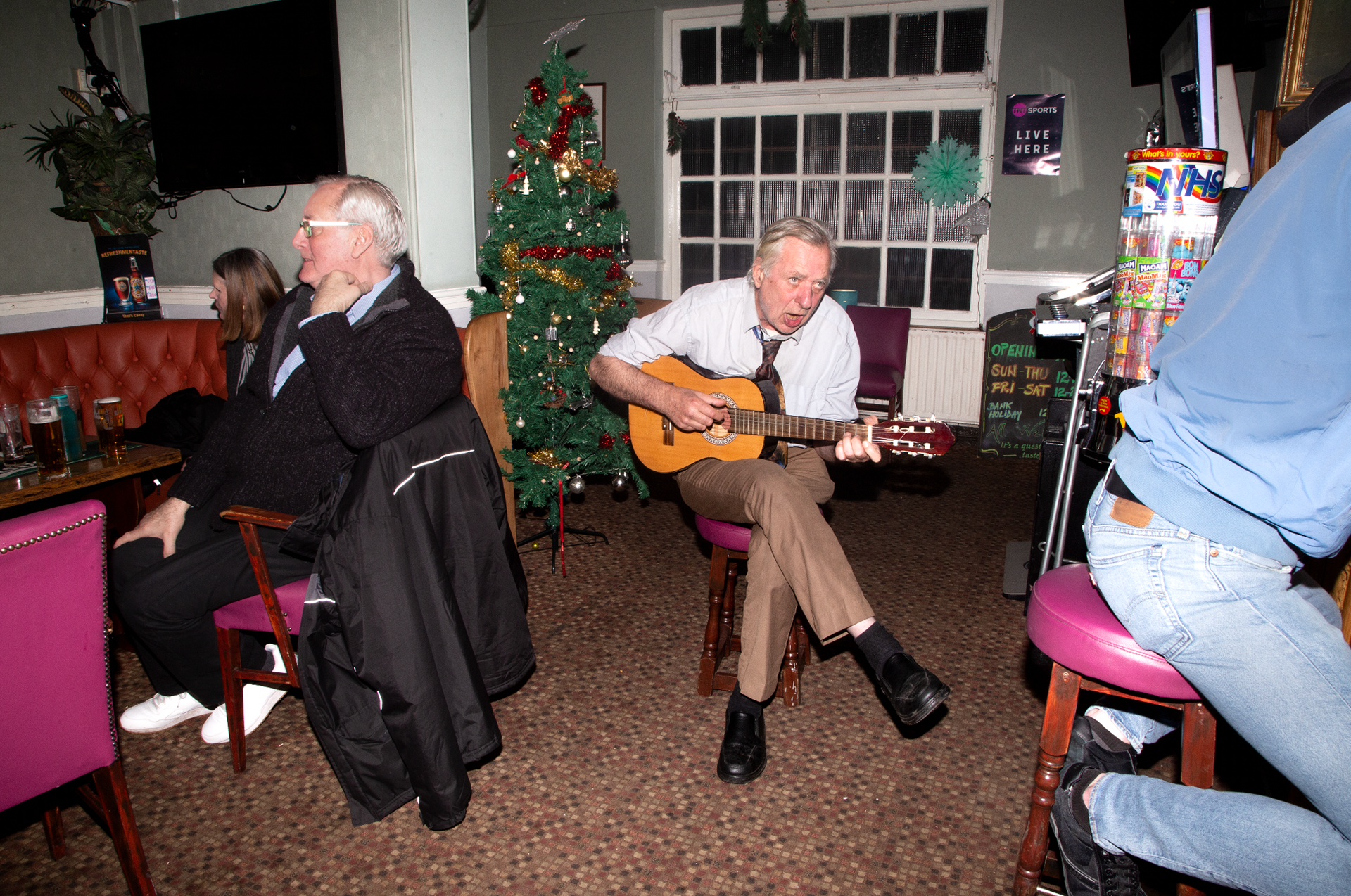
Independent pubs have never been merely places to grab a pint. They are the raw, unfiltered stage of the British urban fabric. Microcosms governed by unwritten codes, capable of softening the alienation of the metropolis. Real life flows inside them: havens for the working class, spaces of expression for subcultures, and vital support networks for entire neighborhoods.
However, we are not facing a simple evolution of habits. It is a decline accelerated by a storm of structural factors that have become unsustainable for small businesses. Brexit represented the first breaking point, draining the workforce and forcing managers to raise wages just to keep the doors open. Then came the weight of inflation: off-the-charts rent and soaring energy costs that have suffocated budgets.
London is a rapidly changing city, year after year after year, changes that hit the least affluent parts of society.
Even in the pub world, it is a completely asymmetrical challenge. On one side are the major chains, the PubCos, capable of absorbing the blows thanks to massive economies of scale and maintaining accessible prices. On the other side is the family-run, independent pub, devoid of real financial shields, where every price hike crashes directly onto already razor-thin margins.
My project Pub Life, developed in the field from 2016 to 2025, stems precisely from this visual urgency: to document a transformation before it becomes irreversible. My own small act of documentary resistance.
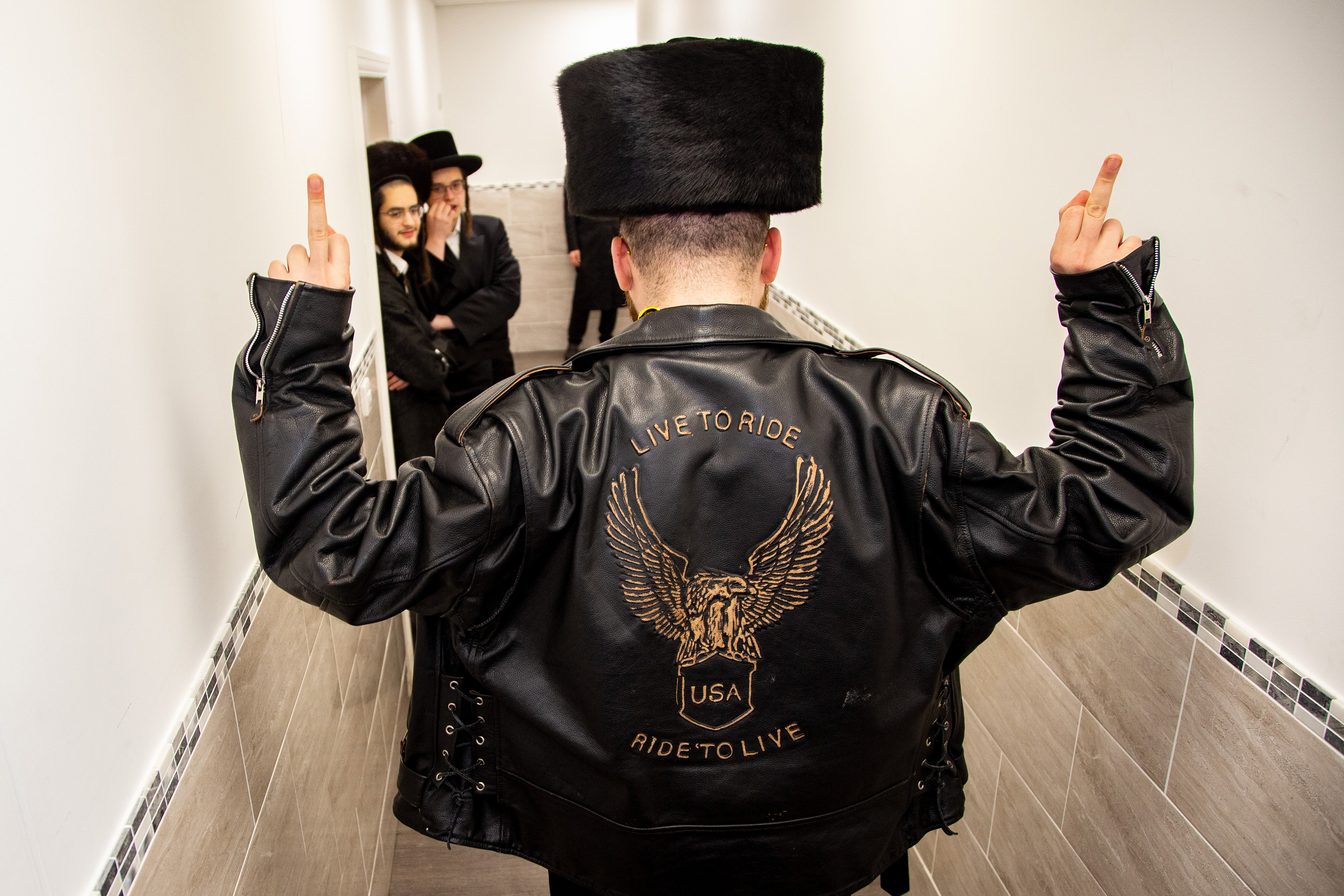
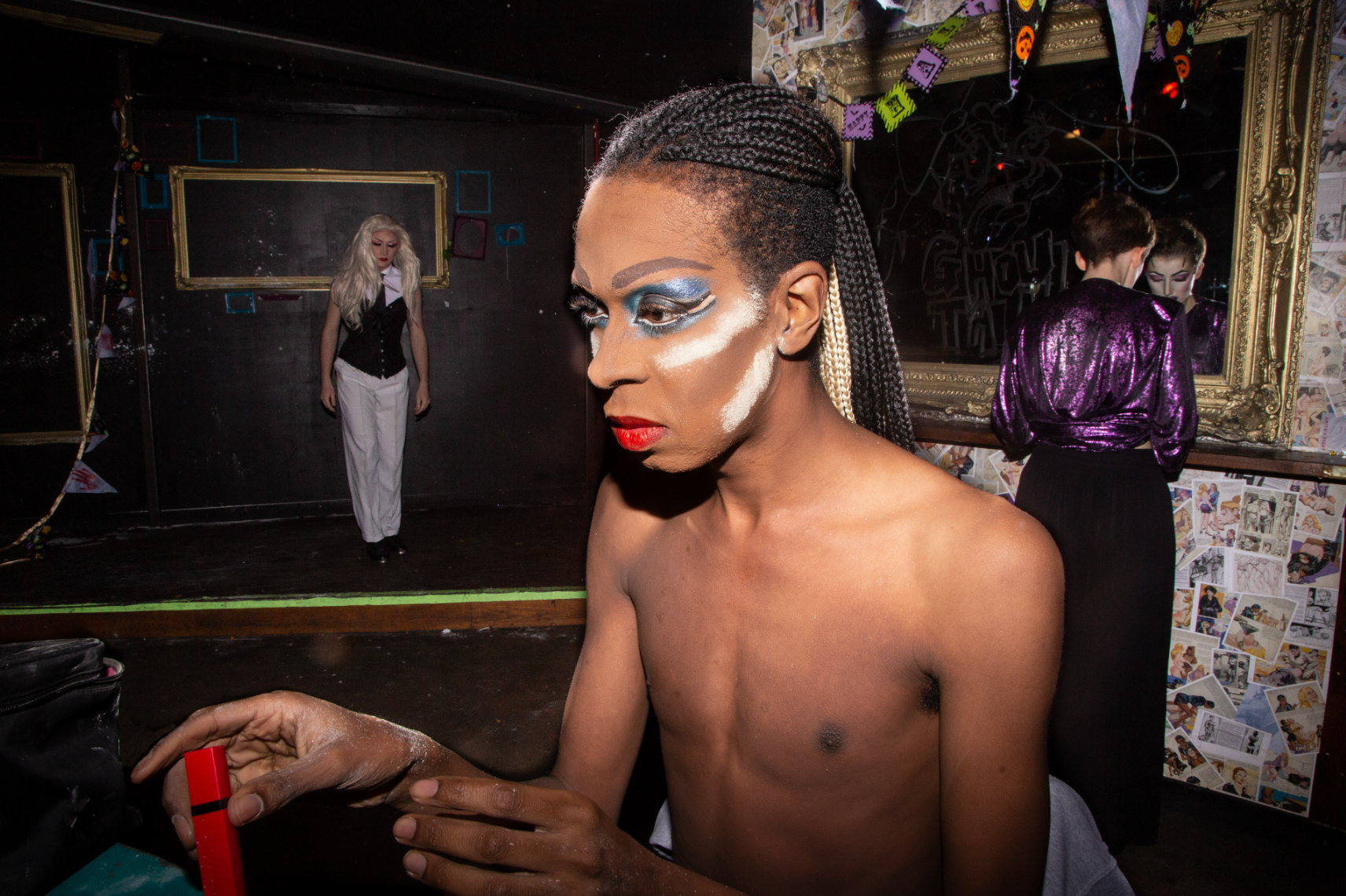
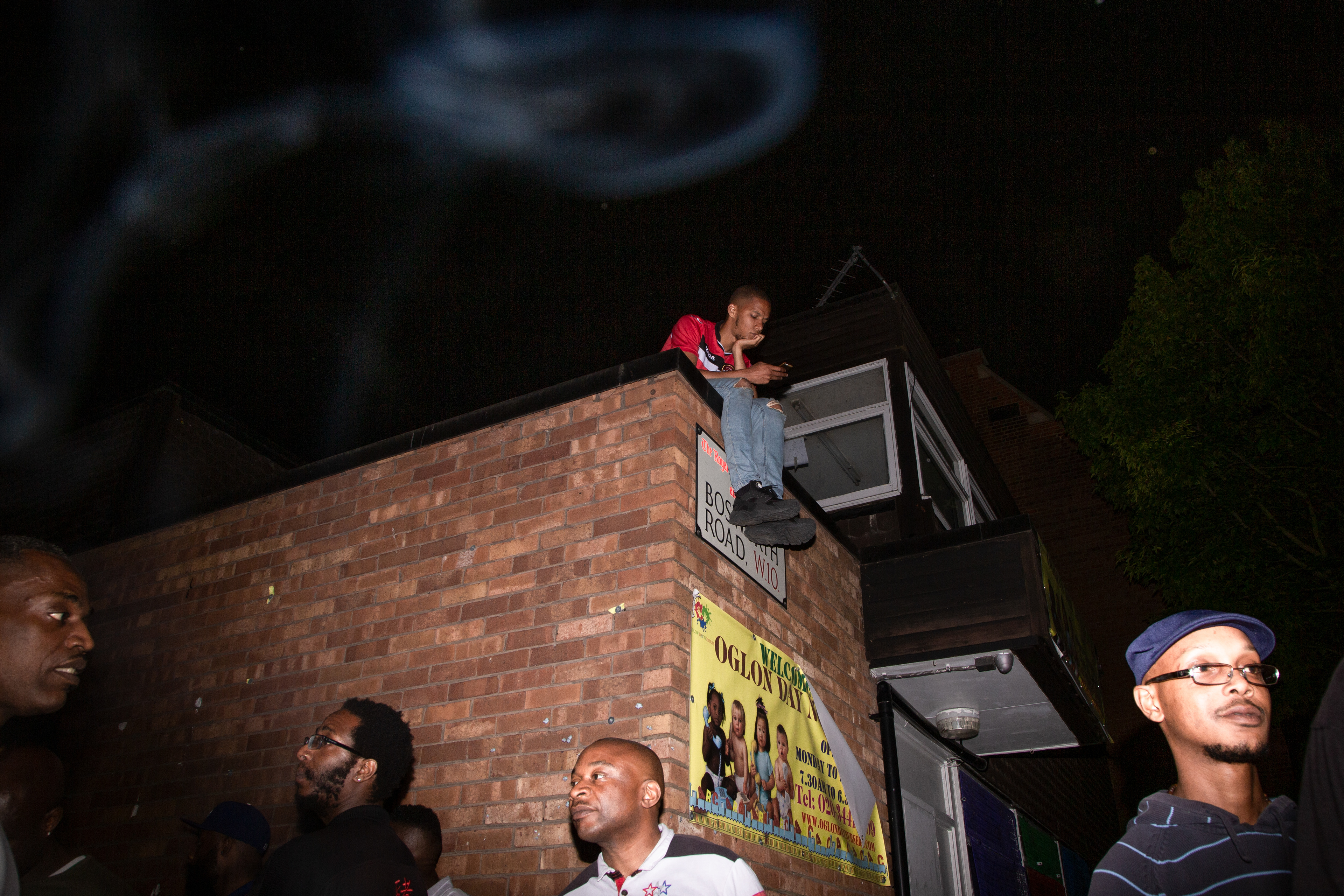
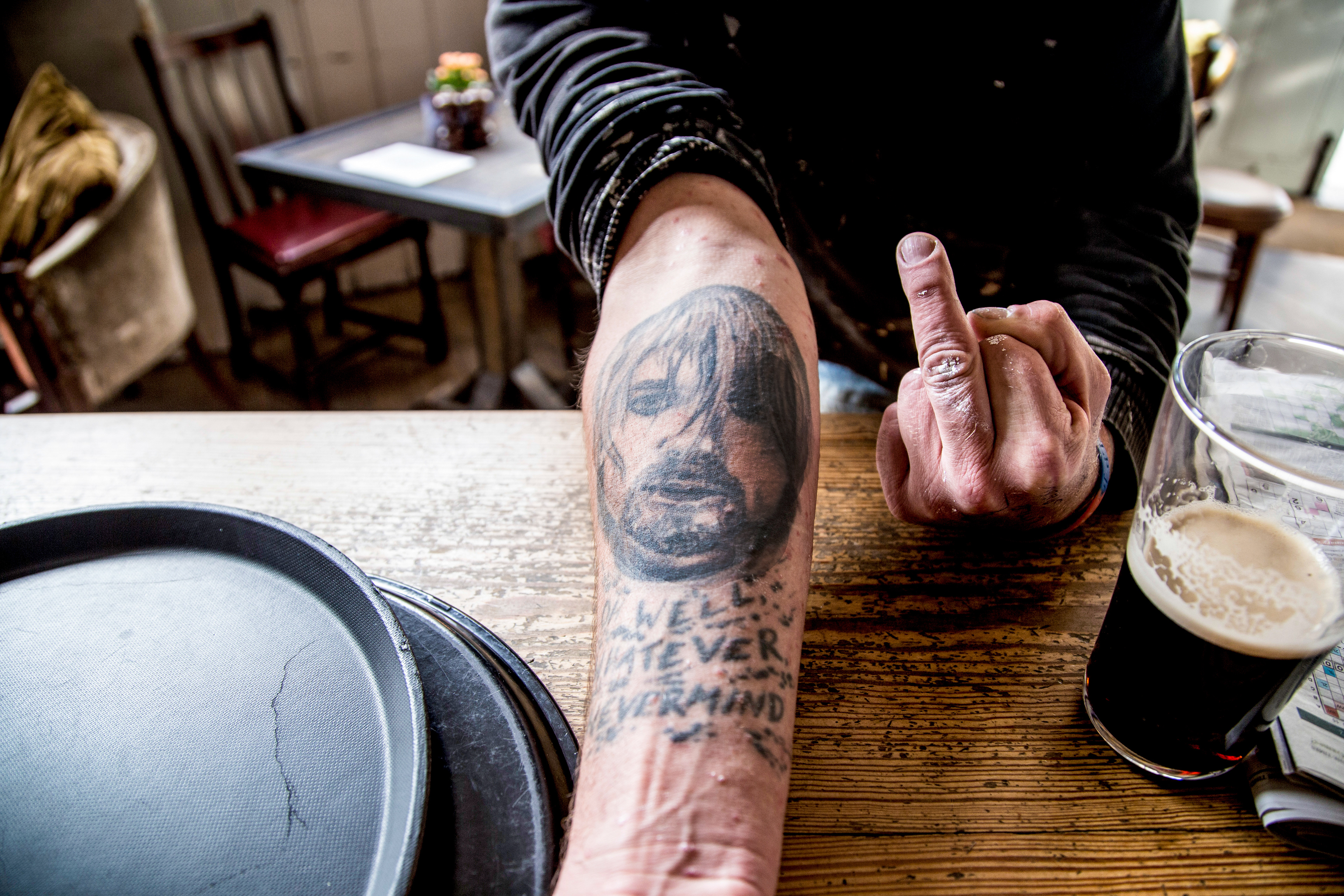
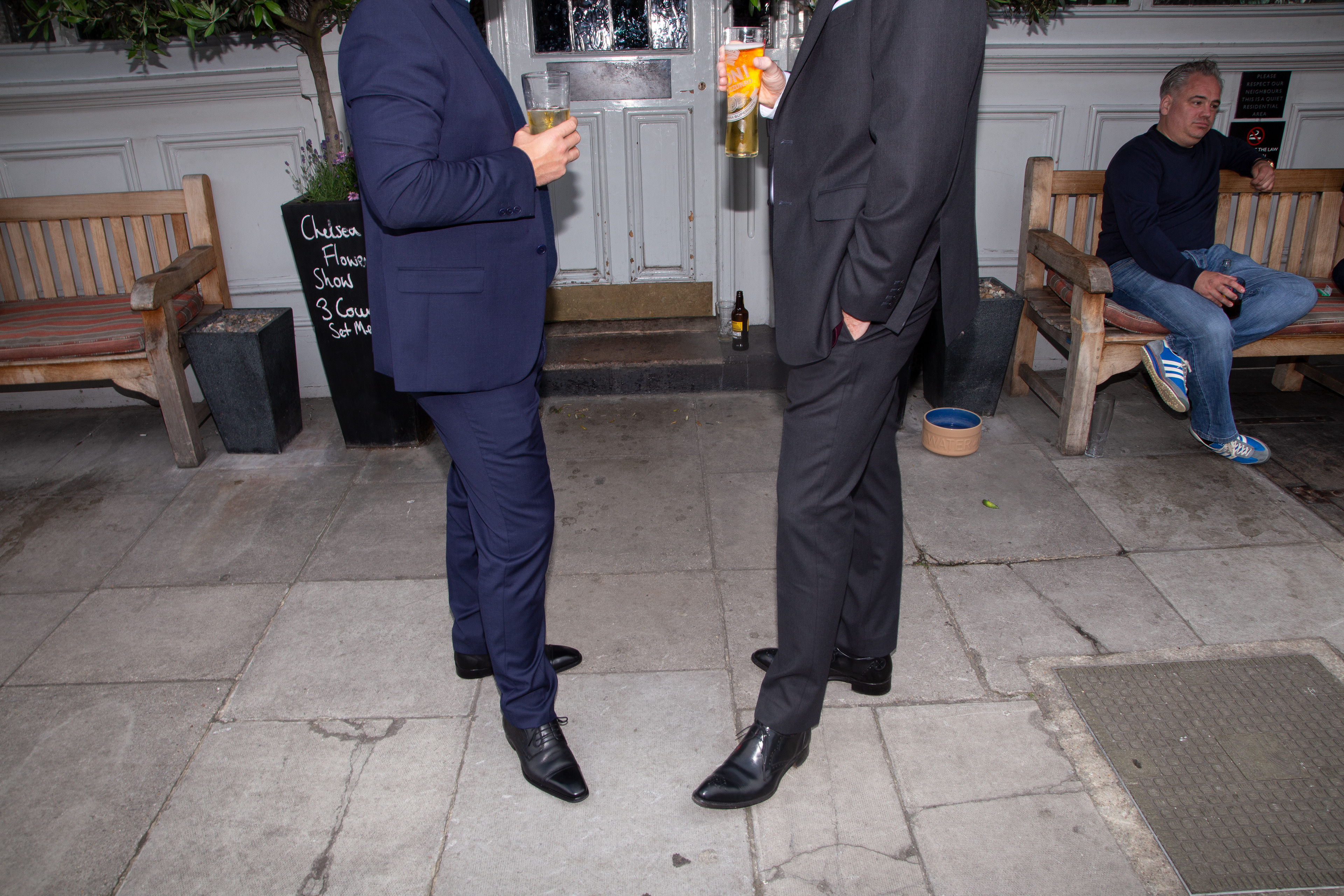
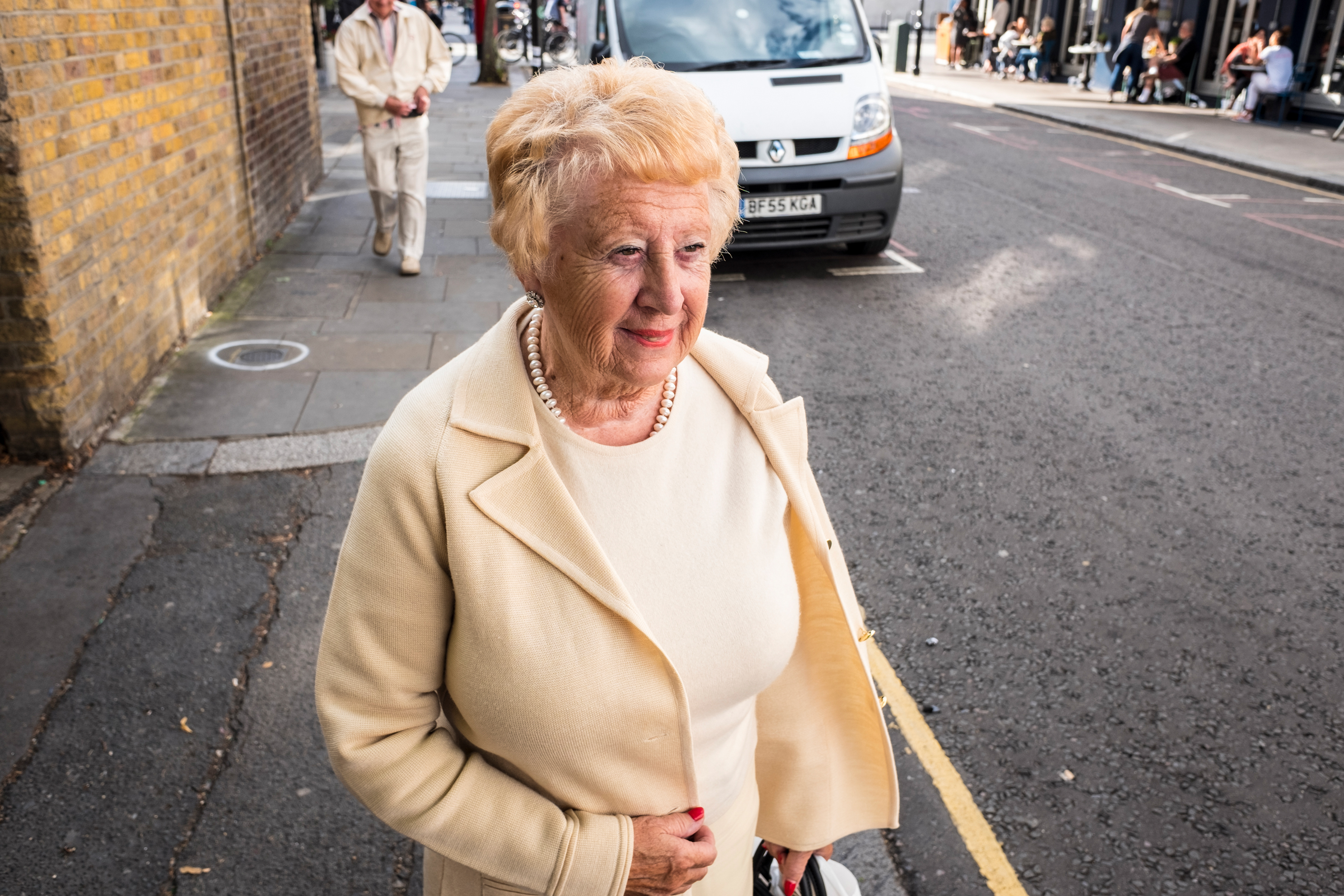
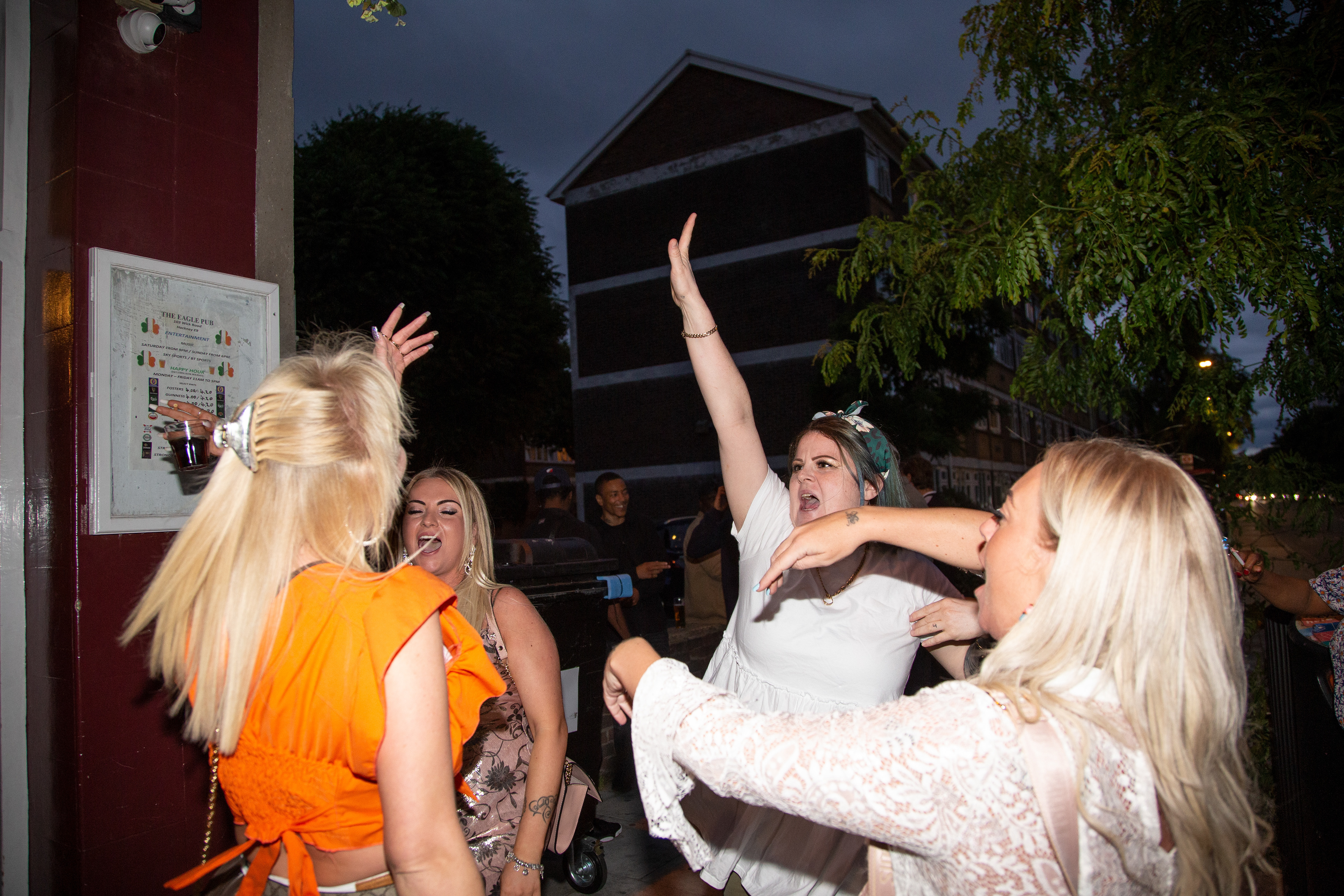
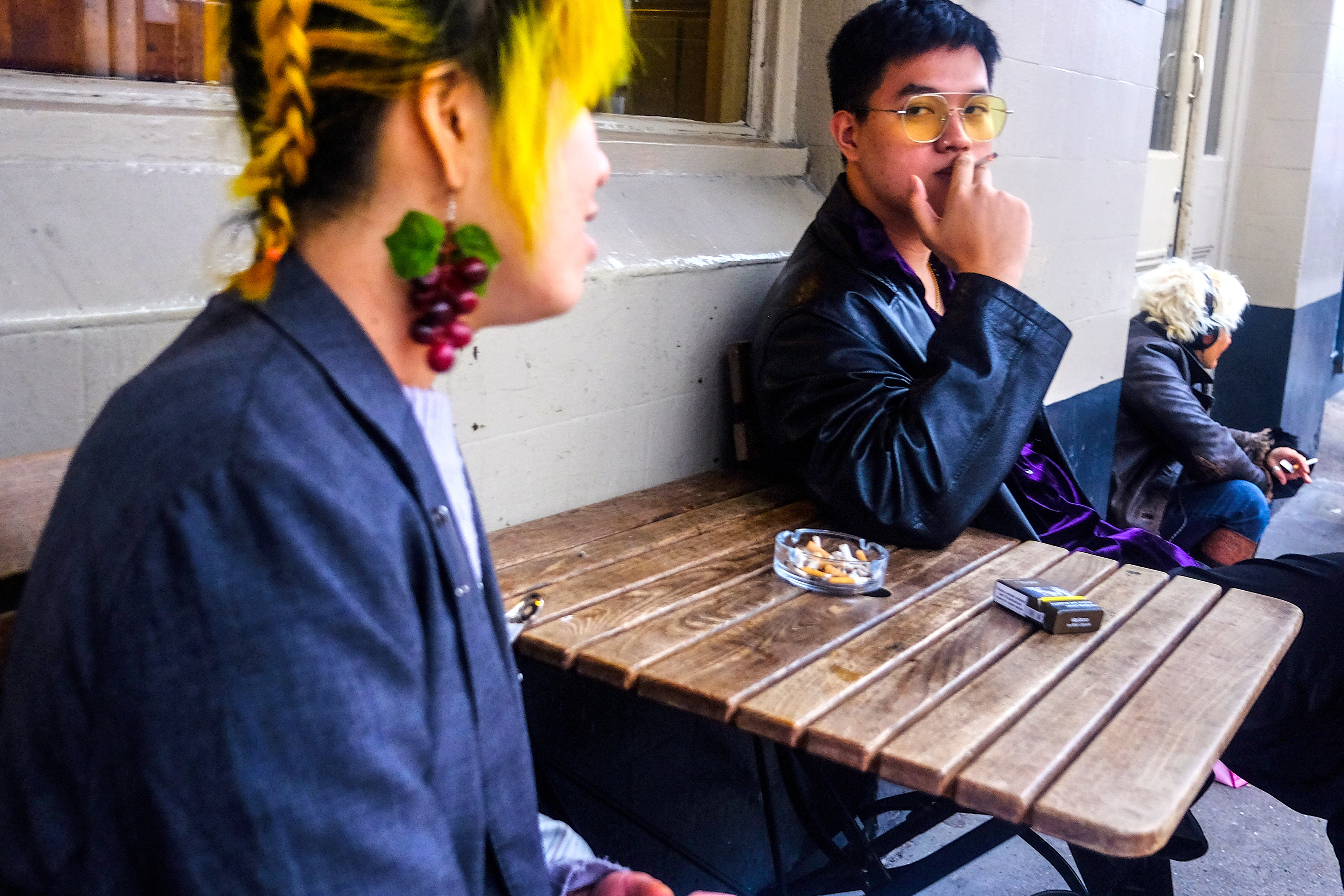
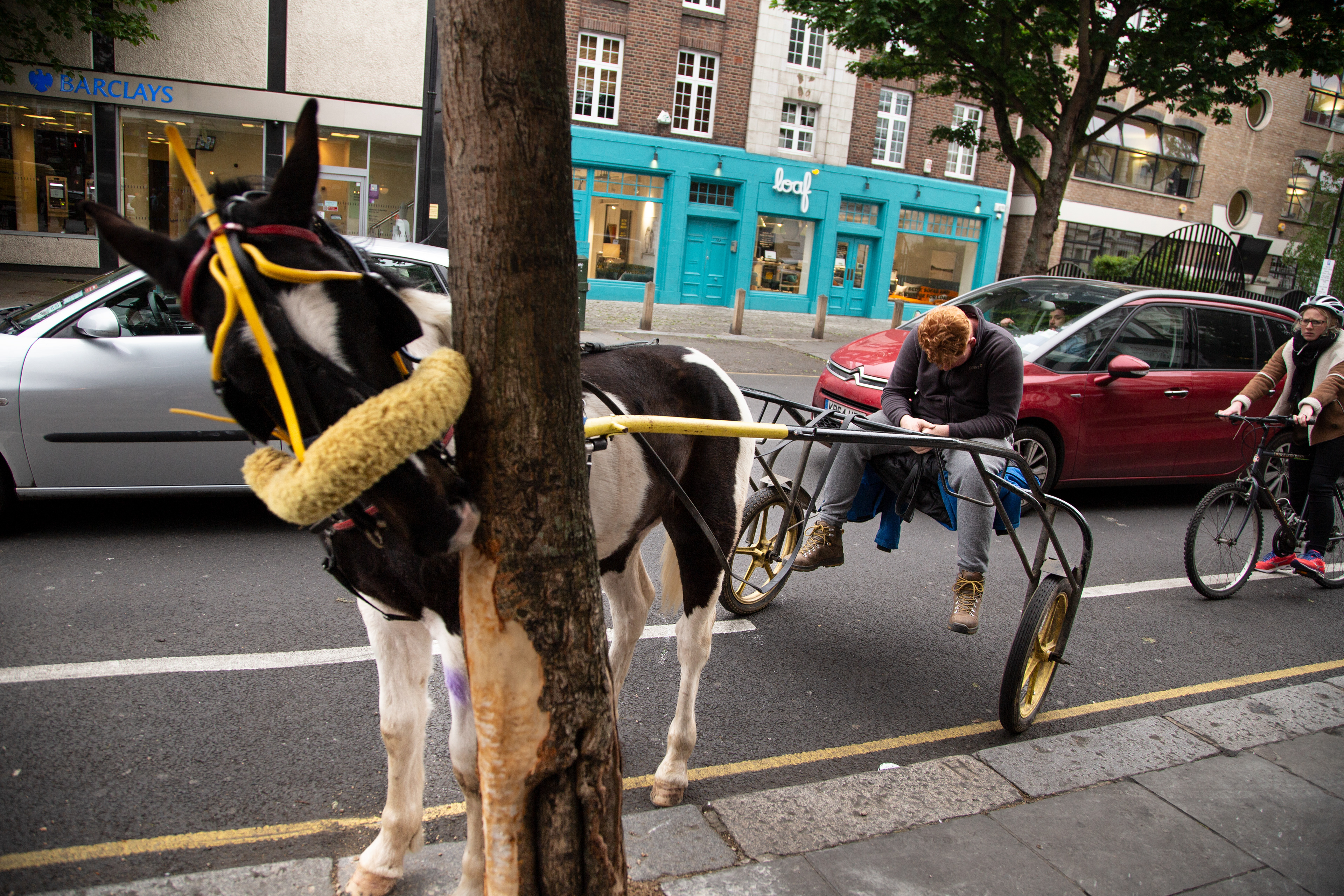
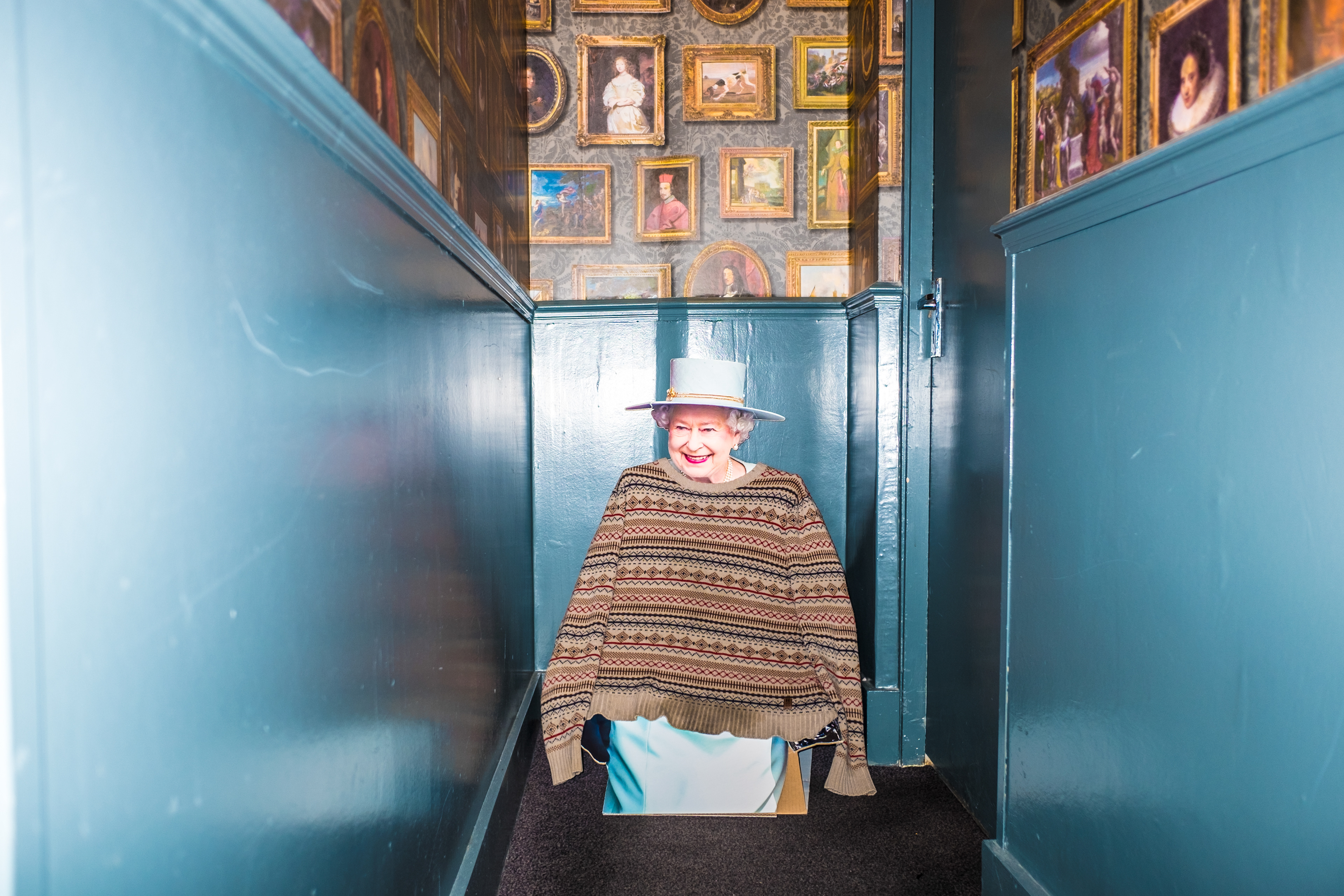
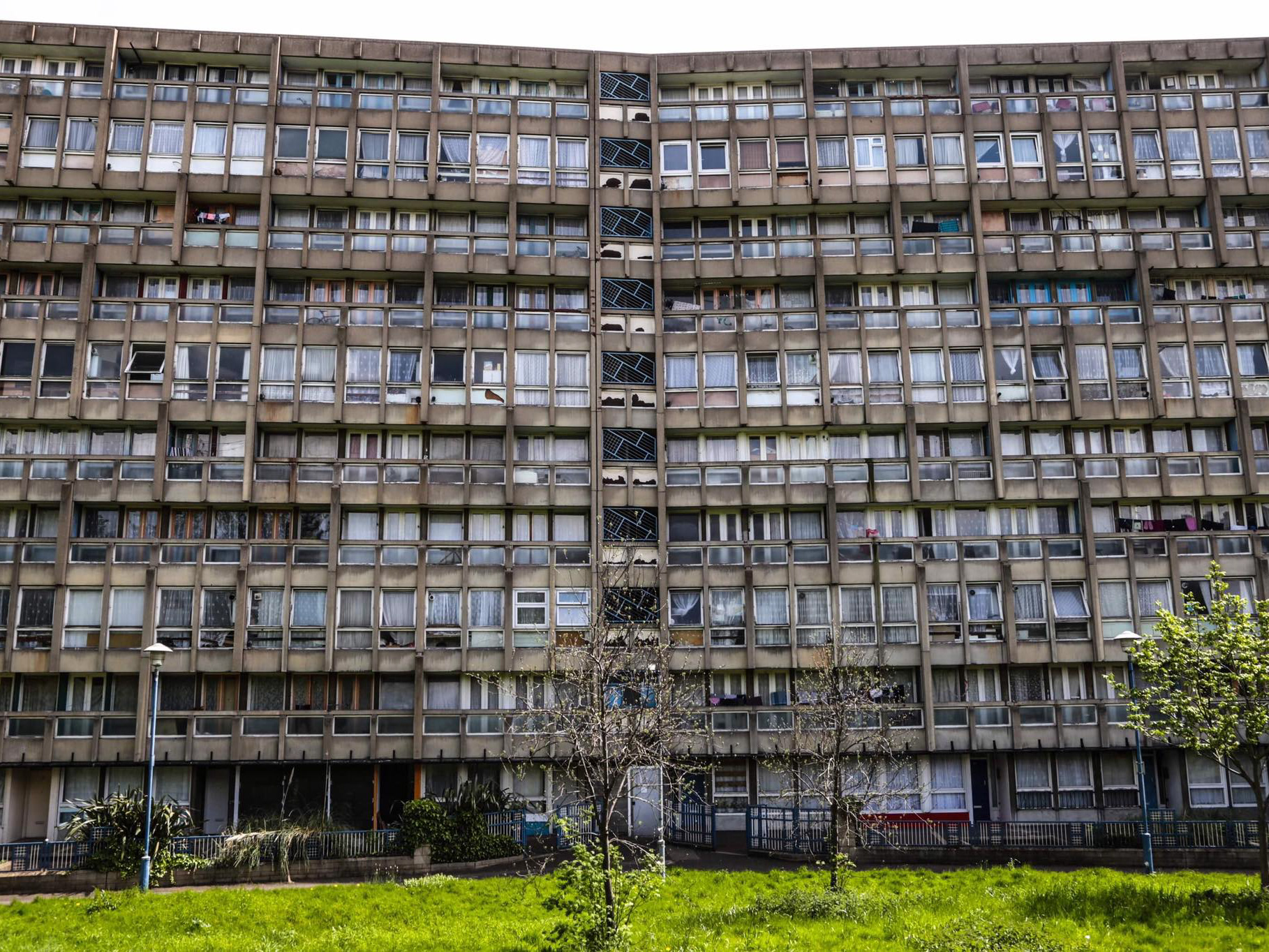
Through the camera lens, I have mapped the incredible human diversity that persists in these outposts: historic regulars, Teds, drag queens, high-class pubs, immortalizing social contrasts—from those living in sprawling council estates to those frequenting the affluent areas of Chelsea. Every time an independent pub turns off its sign, London loses a fragment of its collective history.
All we have left is the task of transforming this world into a visual archive, before it fades away in silence, giving way to a city in which it will be increasingly difficult to recognize ourselves.